Crispy honey garlic chicken bites
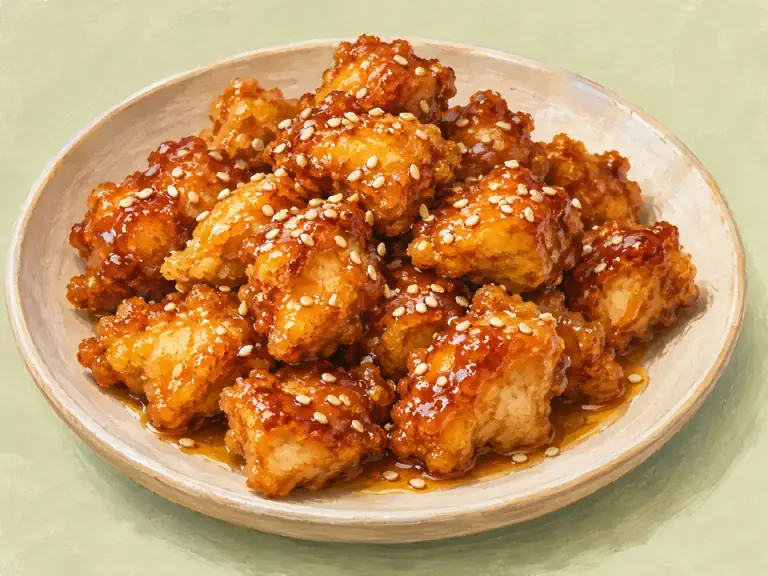
Original food illustration by CrispOnCents.
Use a rack instead of a plate to prevent the lower side of the coating turning damp. When the sauce first begins to thicken, take it off the heat rather than waiting for it to look like caramel.
Recipe at a glance
Yield: 4 servings. Prep: 15 min. Cook: 18 min.
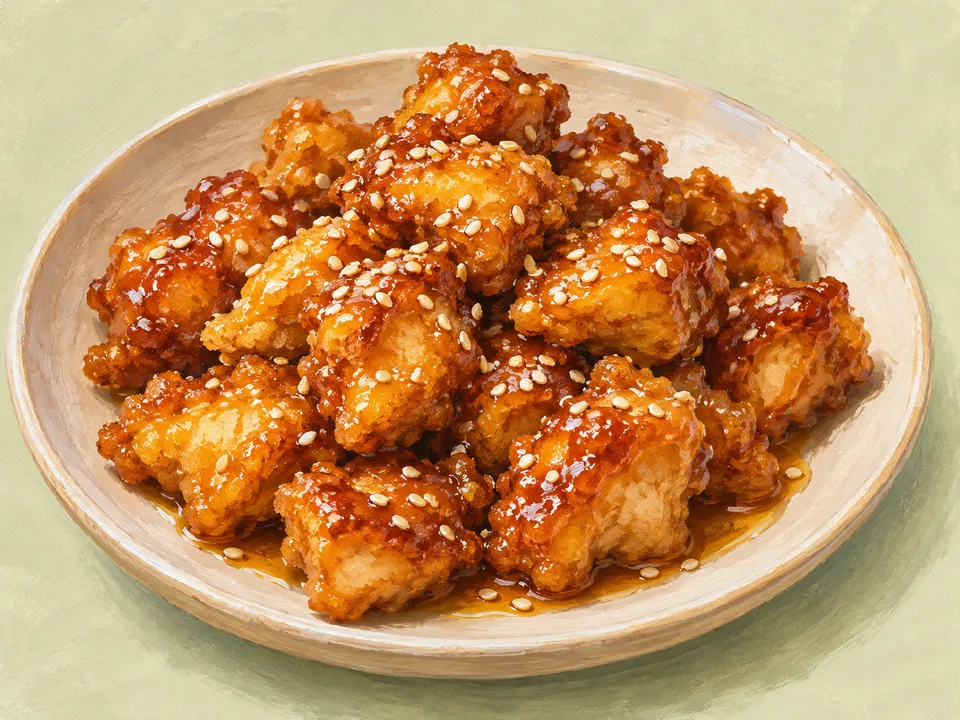
Crispy honey garlic chicken bites
Ingredients
Method
- Dry chicken well and toss it in cornstarch and salt. Shake off the excess so the coating stays thin.
- Pan-fry in oil over medium-high in two batches, turning until crisp and 165°F (74°C). Move the cooked bites to a wire rack.
- Lower the heat and cook garlic for 20 seconds. Add honey, soy, vinegar and water and bubble until the sauce leaves a trail when stirred.
- Return the chicken and toss briefly just to glaze. Sprinkle sesame seeds and serve immediately.
Cooking and serving tips
Cut even cubes to avoid drying out the smaller pieces while the larger ones cook through. Let the pan return to temperature before adding each batch.
Serve with steamed broccoli or cucumber for contrast, and pass extra glaze separately if you want a stronger flavor.
Substitutions and troubleshooting
Use a wide pan to let steam escape. For extra crunch, serve the glaze in a dipping bowl.
Make ahead and leftovers
Keep glaze separate from any bites you plan to refrigerate. Recrisp the cooked bites in an oven.
A thin, crispy coating and a glaze that sticks
Cut the chicken into roughly one-inch pieces, using the thick part of the breast for even cubes and cutting the tapered end into pieces with a similar thickness. The thinner end cooks faster, so put those pieces in a separate batch if the size difference is noticeable. Blot the chicken with paper towels before coating. Cornstarch forms a thin crust when it meets the hot oil; a damp surface turns the powder into paste that can fall off in the skillet.
Toss only the pieces you are about to cook. Spread the starch in a shallow bowl and lift the chicken with dry tongs, shaking off loose powder over the bowl. Each piece should have a pale dusting with no white lumps in its corners. Once the pan is hot, cook the first few pieces and check that they release before adding another batch. If you need to scrape a piece off, leave it alone for a few seconds to let the crust set, then try again with a thin spatula.
Use a skillet with a broad, flat base. A 12-inch skillet still works best in two rounds when the pieces are large. Leave visible gaps, and get a second plate or a rack ready for cooked chicken. While the first batch rests, give the pan time to recover its heat before adding the next one. The bottom of the pan should have a thin film of oil. If the oil smokes, move the skillet off the burner briefly and turn the heat down before continuing.
Check the largest piece in each batch with an instant-read thermometer. Push the probe in from the side so its tip reaches the center without touching the skillet. Chicken should reach 165°F (74°C). A golden coating can form before the center is done. If several pieces are browning too fast, lower the heat slightly and finish cooking them before starting the glaze. Transfer the cooked pieces with clean tongs to a clean rack or plate.
Set up the sauce before heating the skillet
Measure the honey, soy sauce, rice vinegar and water into one small bowl, then mince the garlic separately. Honey left in a measuring spoon changes the balance, so rinse the spoon into the bowl with part of the measured water. Stir the ingredients together while they are cold. The garlic goes in first, and the liquid should be close enough to pour in as soon as the garlic smells fragrant.
Look at the skillet after cooking the chicken. Pale browned bits can add flavor, but loose black pieces of starch make the glaze taste bitter. Take the skillet off the burner and wipe away any burnt crumbs carefully before you add garlic. Use medium-low heat for the sauce. Watch the pan closely after pouring it in: the bubbles begin watery, then turn slower and glossier as the liquid concentrates. A line drawn through the glaze with a spatula should close slowly. Pull the pan off the heat as soon as you see that change.
Toss the pieces in the glaze just before serving. Turn them two or three times with a spatula to coat their edges; stirring continuously will knock off some of the crust. When serving several people, put a little glaze in a separate dish for dipping and coat the bites lightly. Sesame seeds add texture, and a few scallion greens are enough for a fresh finish.
Adjust the flavor with what you have
- Using regular soy sauce
- Use slightly less and make up the difference with water. The chicken already has salt in its coating, and the glaze will taste saltier after it reduces. Taste the cooked glaze on a piece of chicken if you are deciding whether it needs more salt.
- Out of rice vinegar
- Mild apple cider vinegar works. Start with a little less if it is sharp, then add a few drops at the end. Lime juice also works for a brighter finish when added off heat.
- Making it spicy
- Stir a pinch of red pepper flakes into the glaze after the liquid goes in. Put hotter sauce on the table for individual portions instead of committing the entire pan.
- Cooking boneless thighs
- Trim loose fat, cut the meat into even pieces and blot well before coating. Expect the time to vary with the thickness. Check the center with a thermometer.
Turn the bites into a full meal
For a rice bowl, use plain warm rice and one vegetable with crunch. Thin cucumber half-moons, steamed broccoli or raw shredded cabbage all work. Put the vegetable beside the chicken so the steam from the rice does not soften every piece at once. Start the rice before cutting the chicken. If you want more sauce for the rice, set some aside before tossing the chicken.
For noodles, toss cooked noodles with a little sesame oil or plain broth and serve the chicken on top. Let each person add glaze to taste. For a snack platter, set out toothpicks, cucumber sticks and small dishes for dipping. If cooking for meal prep, pack the bites and glaze in separate containers, with any cucumber or other raw vegetables in a third compartment.
Fix common problems
- The chicken sticks or the crust comes off.
- Dry the next batch more thoroughly and dust it right before cooking. Give the coating a chance to set before turning. Clean any stuck starch between batches, then add just enough oil for the next round.
- The glaze went hard or got too sticky.
- Take it off the heat and stir in a teaspoon of warm water at a time. Use low heat only if it stays too thick to stir. A thin coating sets quickly on the chicken, so toss and serve promptly after loosening it.
- The bites are going soft before dinner.
- Keep unglazed pieces on a rack, where air can reach both sides. If the chicken has cooled substantially, briefly reheat it and add glaze at the last minute. A covered bowl traps steam and softens the coating.
Reheat leftovers and keep the coating crisp
Refrigerate leftover chicken within two hours, storing it in a shallow covered container. If you can plan ahead, refrigerate the glaze separately. Warm the bites on a rack or preheated tray and reheat the chicken to 165°F (74°C). Use a drop of water to loosen cold glaze over low heat. Toss just the amount you are eating so you do not repeatedly heat and cool the entire batch. USDA guidance on storing and reheating leftovers